John Lennon in 1970s New York
- GALLERY
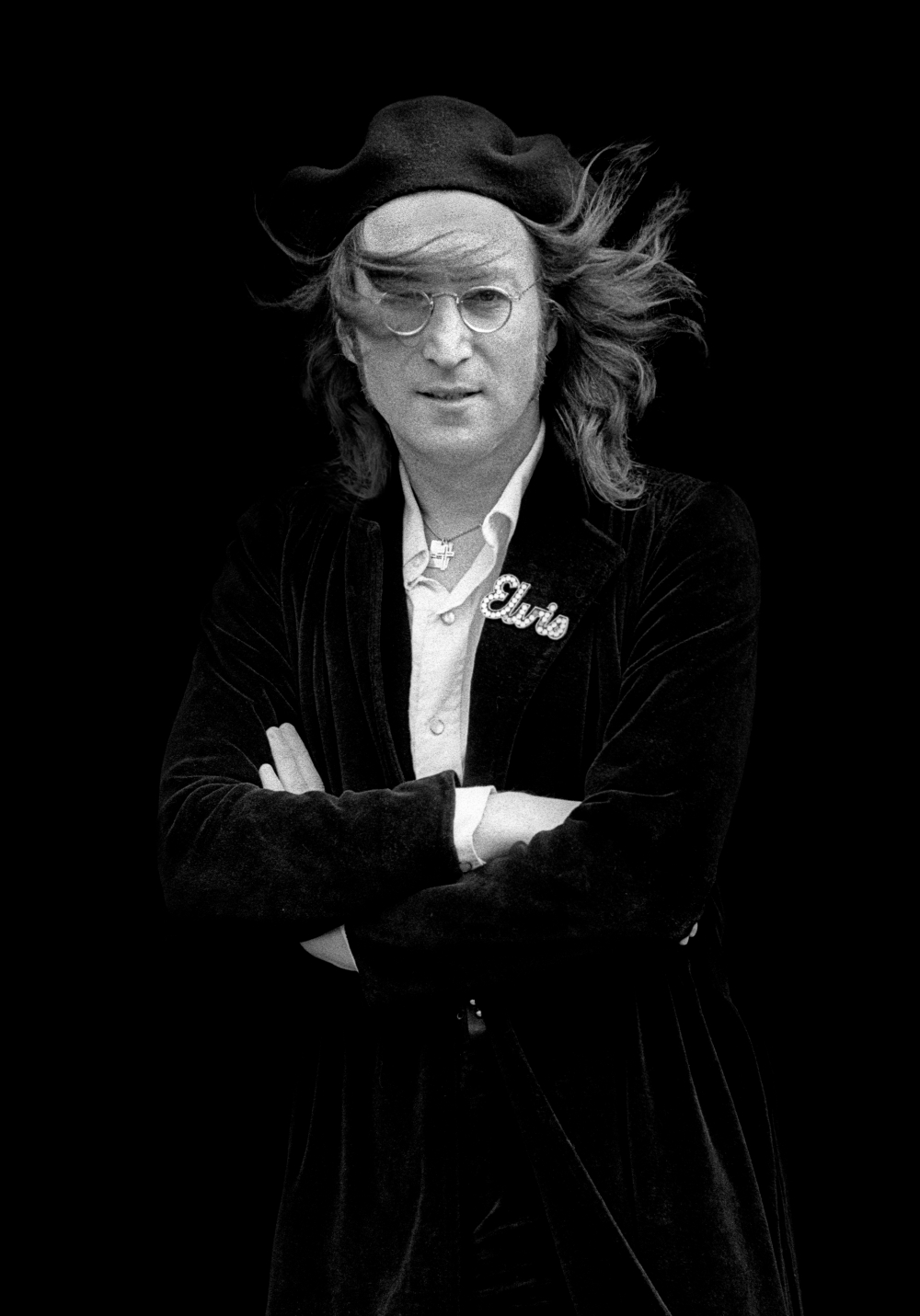
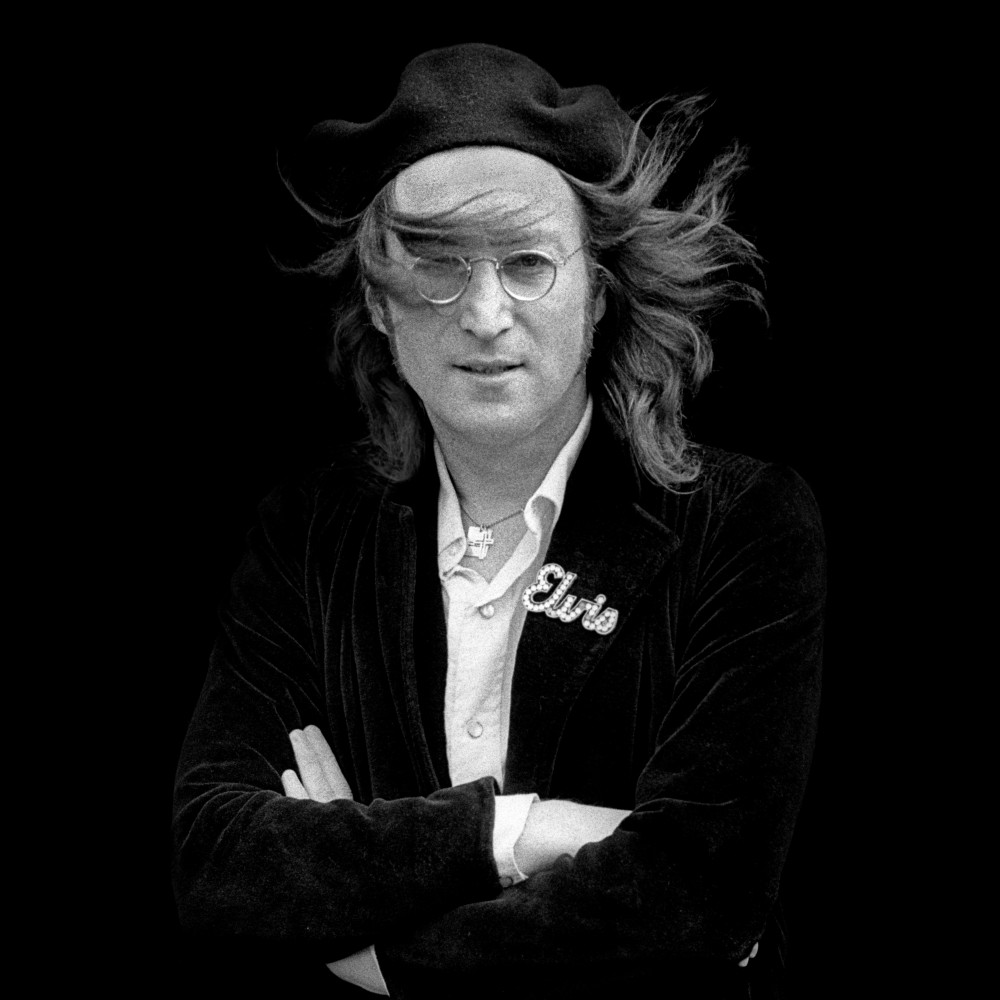
It was on February 23, 1975, that New York-based photographer Brian Hamill visited John Lennon at the Dakota House on 72nd Street. A little over a month after returning to Yoko Ono from the "Lost Weekend," John invited Brian into his seventh-floor apartment that day.
The photoshoot moved from inside the room to the rooftop. The rooftop of the Dakota, lined with numerous television antennas, wouldn't look like a building inhabited only by the ultra-wealthy and celebrities who have passed even the strictest screening processes in New York without any explanation. However, the dilapidated feel that comes with age actually made it perfect for black and white photography.
John was wearing his usual round glasses, a beret, and a "ELVIS" badge on the lapel of his coat. The wind was strong, and John's hair was disheveled.
Unconcerned about such things, he is seen with his arms crossed, looking a little cold, or standing on the fire escape—the works presented in this exhibition capture John Lennon's natural expressions without any pretense. Each photograph seems to contain his complex emotions. He probably couldn't have predicted what would happen at the entrance of this building more than five years later...
Why did John have to be killed?
The fact that Brian May's photographs of the Dakota House were subtly involved in John Lennon's murder was revealed for the first time in the book "Following John Lennon's Unmei: Why Was the Hero Shot?" (published by Kodansha last year).
The accompanying photographs were taken by Brian May at the "One to One" concert on August 30, 1972, which was later released as the film "Power to the People." These photographs documenting John Lennon's last full concert, along with the works taken at the Dakota House, can be considered precious records of John Lennon's final moments.
The photoshoot moved from inside the room to the rooftop. The rooftop of the Dakota, lined with numerous television antennas, wouldn't look like a building inhabited only by the ultra-wealthy and celebrities who have passed even the strictest screening processes in New York without any explanation. However, the dilapidated feel that comes with age actually made it perfect for black and white photography.
John was wearing his usual round glasses, a beret, and a "ELVIS" badge on the lapel of his coat. The wind was strong, and John's hair was disheveled.
Unconcerned about such things, he is seen with his arms crossed, looking a little cold, or standing on the fire escape—the works presented in this exhibition capture John Lennon's natural expressions without any pretense. Each photograph seems to contain his complex emotions. He probably couldn't have predicted what would happen at the entrance of this building more than five years later...
Why did John have to be killed?
The fact that Brian May's photographs of the Dakota House were subtly involved in John Lennon's murder was revealed for the first time in the book "Following John Lennon's Unmei: Why Was the Hero Shot?" (published by Kodansha last year).
The accompanying photographs were taken by Brian May at the "One to One" concert on August 30, 1972, which was later released as the film "Power to the People." These photographs documenting John Lennon's last full concert, along with the works taken at the Dakota House, can be considered precious records of John Lennon's final moments.