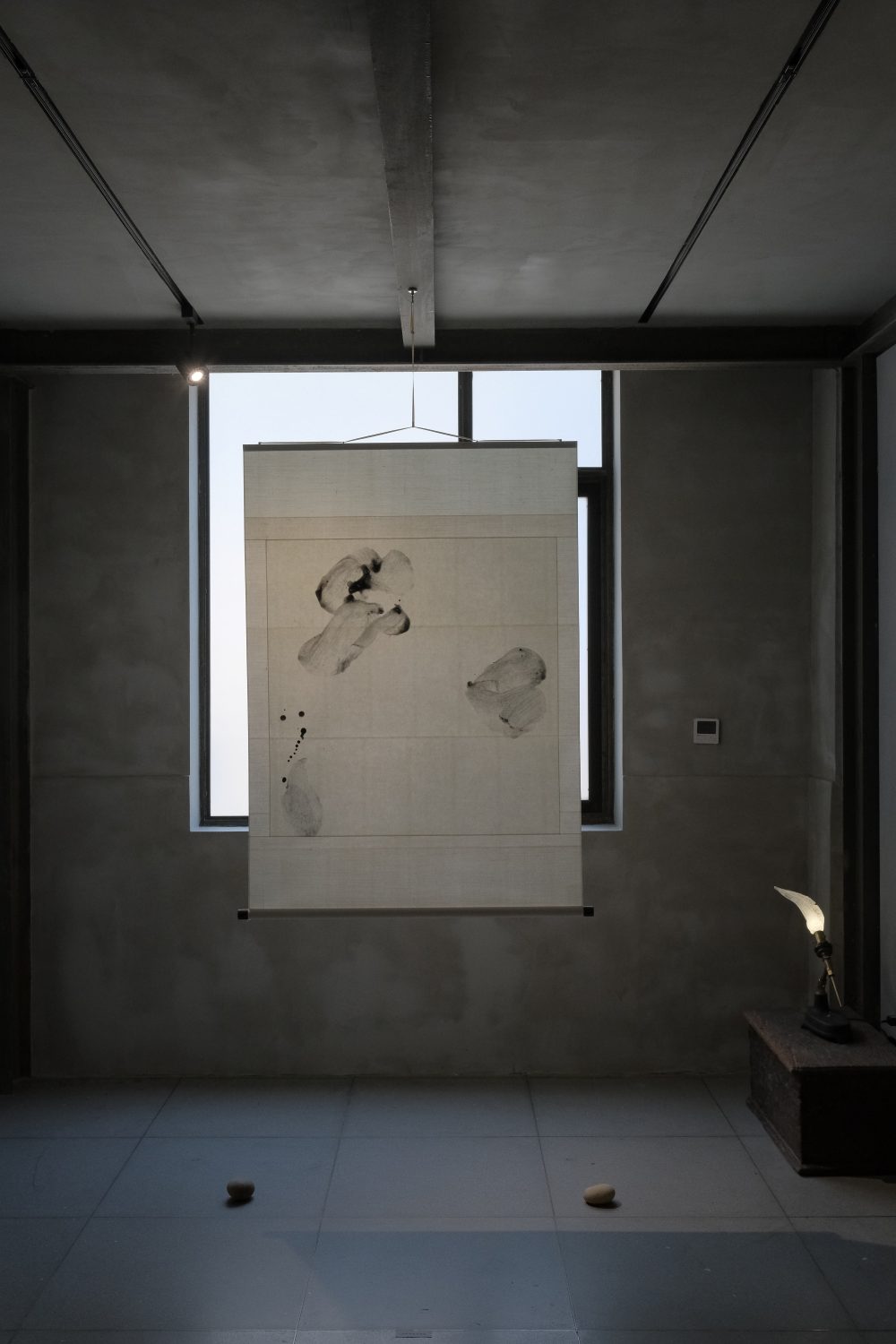
- 《花》/2025年
Kasetsu
華雪
- ART FAIR - MEET YOUR ARTISTS

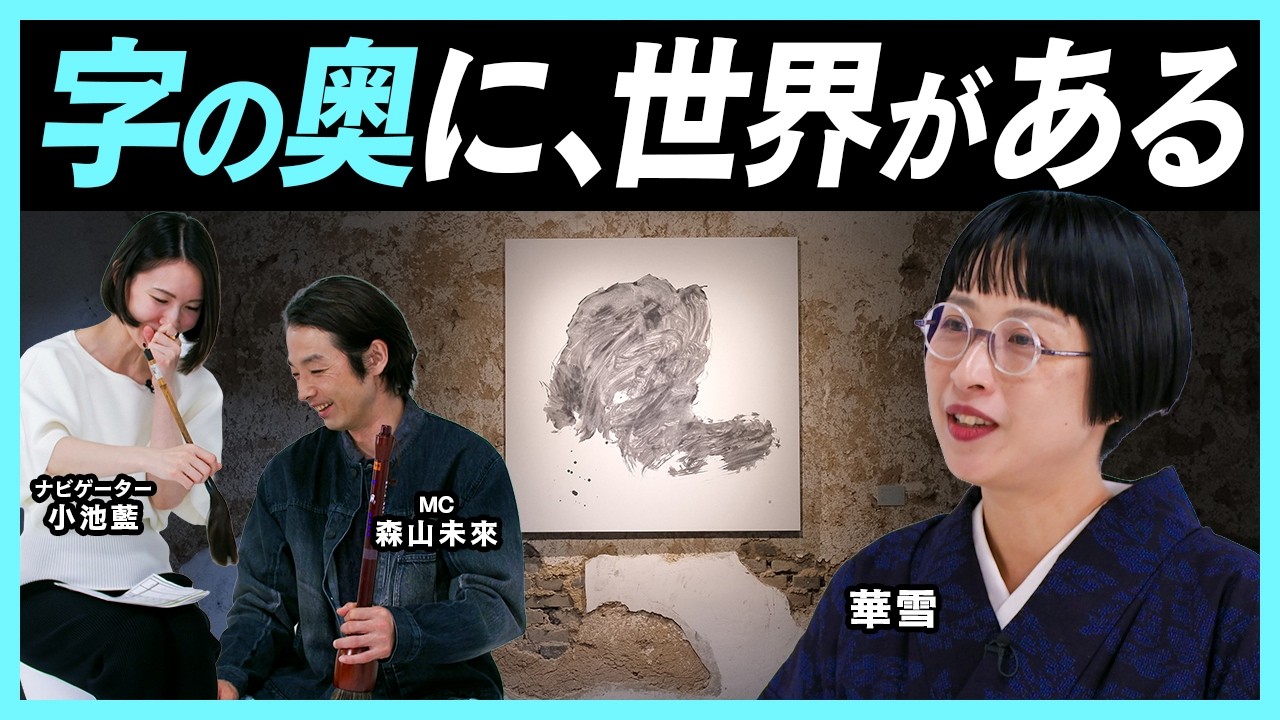
1975年、京都府生まれ。東京都在住。立命館大学文学部哲学科心理学専攻卒業。
一字書を中心とした個展を92年より開始。
書を習い始めた幼少時、東アジアの文字文化研究者・白川静が手がけた漢和辞典に出会い、漢字の起源、成り立ちに興味を持つ。また、抽象表現主義との相互作用によって形成され、第二次世界大戦後の日本で勃興した前衛書に大きな影響を受ける。
約3300年前につくられたとされる漢字の原形である象形文字の考察を深める中で、華雪は時代を超えた人間の本質を見つめ、人間社会を形づくる大きな要素の一つである言葉のあり方を問う作品を発表し続けている。それらの作品は、テーマにそった多様な素材で表現され、様々な形・方法での展示も含め、書とアートの融合を試みるものでもある。
また制作と並行し、様々な社会環境、そしてそこに生きる人たちと一文字の漢字を書くワークショップを継続的に行っている。ワークショップでは、参加者が字を書く行為、その漢字にまつわるそれぞれの思いを聴くことで、人間が言葉を書くことの意味、その行為が人間に及ぼす何かを参加者と共有しうる場となるよう努めている。
グローバル化が進み、テクノロジーが発展することで、多様性が可視化すると同時に反発も不確定性も増す現代社会において、華雪は字を書くという表現によって揺れ動き続ける言葉と人間との関係を模索し、人びとに問いかけている。
プロフィール画像:撮影 花坊
Born in Kyoto, Japan, in 1975, Kasetsu lives and works in Tokyo.
She graduated from Ritsumeikan University with a degree in psychology. Since 1992, she has dedicated herself to the art of single-character calligraphy, holding solo exhibitions that explore the profound depth within a single stroke.
Her journey into calligraphy began in childhood, when she first encountered the work of Shizuka Shirakawa, a renowned scholar of East Asian characters, and became fascinated by the origins and evolution of Chinese characters. At the same time, she was profoundly influenced by the avant-garde calligraphy movement that emerged in postwar Japan, where the bold gestures of Abstract Expressionism intertwined with traditional calligraphic forms.
Through her research into hieroglyphics——the primal forms of Chinese
characters, said to have been created over 3,300 years ago——Kasetsu delves into the timeless essence of humanity. Her works transcend mere symbols, questioning the very nature of language, one of the fundamental forces shaping our modern world.
Each of her creations is tailored to a theme, expressed through single Chinese characters rendered in diverse materials. Her approach dissolves the boundaries between traditional calligraphy and contemporary world.
Beyond her artistic practice, Kasetsu finds deep meaning in engaging with others through workshops, where single-character writing becomes a shared act of exploration. Within these gatherings, she listens to particpants’ reflections on a single Chinese character and the act of writing, cultivating a space where the power of words and their influence on human experience can be rediscovered.
In an era where globalization and technological progress have amplified both diversity and division, Kasetsu uses the writing single Chinese characters, rich with layered meanings in Japanese as a means of navigating the shifting relationship between language and humanity.Through her work, she invites the viewers to pause and engage in a dialogue with words——an ever-changing bridge between past and present, self and other.
Profile credit:Photo by Kabo
華雪_CV
一字書を中心とした個展を92年より開始。
書を習い始めた幼少時、東アジアの文字文化研究者・白川静が手がけた漢和辞典に出会い、漢字の起源、成り立ちに興味を持つ。また、抽象表現主義との相互作用によって形成され、第二次世界大戦後の日本で勃興した前衛書に大きな影響を受ける。
約3300年前につくられたとされる漢字の原形である象形文字の考察を深める中で、華雪は時代を超えた人間の本質を見つめ、人間社会を形づくる大きな要素の一つである言葉のあり方を問う作品を発表し続けている。それらの作品は、テーマにそった多様な素材で表現され、様々な形・方法での展示も含め、書とアートの融合を試みるものでもある。
また制作と並行し、様々な社会環境、そしてそこに生きる人たちと一文字の漢字を書くワークショップを継続的に行っている。ワークショップでは、参加者が字を書く行為、その漢字にまつわるそれぞれの思いを聴くことで、人間が言葉を書くことの意味、その行為が人間に及ぼす何かを参加者と共有しうる場となるよう努めている。
グローバル化が進み、テクノロジーが発展することで、多様性が可視化すると同時に反発も不確定性も増す現代社会において、華雪は字を書くという表現によって揺れ動き続ける言葉と人間との関係を模索し、人びとに問いかけている。
プロフィール画像:撮影 花坊
Born in Kyoto, Japan, in 1975, Kasetsu lives and works in Tokyo.
She graduated from Ritsumeikan University with a degree in psychology. Since 1992, she has dedicated herself to the art of single-character calligraphy, holding solo exhibitions that explore the profound depth within a single stroke.
Her journey into calligraphy began in childhood, when she first encountered the work of Shizuka Shirakawa, a renowned scholar of East Asian characters, and became fascinated by the origins and evolution of Chinese characters. At the same time, she was profoundly influenced by the avant-garde calligraphy movement that emerged in postwar Japan, where the bold gestures of Abstract Expressionism intertwined with traditional calligraphic forms.
Through her research into hieroglyphics——the primal forms of Chinese
characters, said to have been created over 3,300 years ago——Kasetsu delves into the timeless essence of humanity. Her works transcend mere symbols, questioning the very nature of language, one of the fundamental forces shaping our modern world.
Each of her creations is tailored to a theme, expressed through single Chinese characters rendered in diverse materials. Her approach dissolves the boundaries between traditional calligraphy and contemporary world.
Beyond her artistic practice, Kasetsu finds deep meaning in engaging with others through workshops, where single-character writing becomes a shared act of exploration. Within these gatherings, she listens to particpants’ reflections on a single Chinese character and the act of writing, cultivating a space where the power of words and their influence on human experience can be rediscovered.
In an era where globalization and technological progress have amplified both diversity and division, Kasetsu uses the writing single Chinese characters, rich with layered meanings in Japanese as a means of navigating the shifting relationship between language and humanity.Through her work, she invites the viewers to pause and engage in a dialogue with words——an ever-changing bridge between past and present, self and other.
Profile credit:Photo by Kabo
華雪_CV

