土と炎の記憶 ―
備前焼のこれから

The history of pottery in the Japanese archipelago began with Sue ware, which was introduced from the Korean Peninsula during the Kofun period. Unglazed pottery covered in ash was created as a tool to support daily life, and was eventually passed down to Bizen ware in Ibe, Okayama during the Heian period.
Bizen ware is one of Japan's oldest pottery styles, and its techniques of creating shapes and landscapes without glaze, using only clay and fire, have been passed down for over 1,000 years. The kiln changes that occur by chance, the simple yet strong clay surface, and the appearance of the ware, which has also been called "ware that grows," change with continued use and deepen in flavor over time. Behind this lies a history of accepting change, a unique aesthetic sense, and a creative spirit.
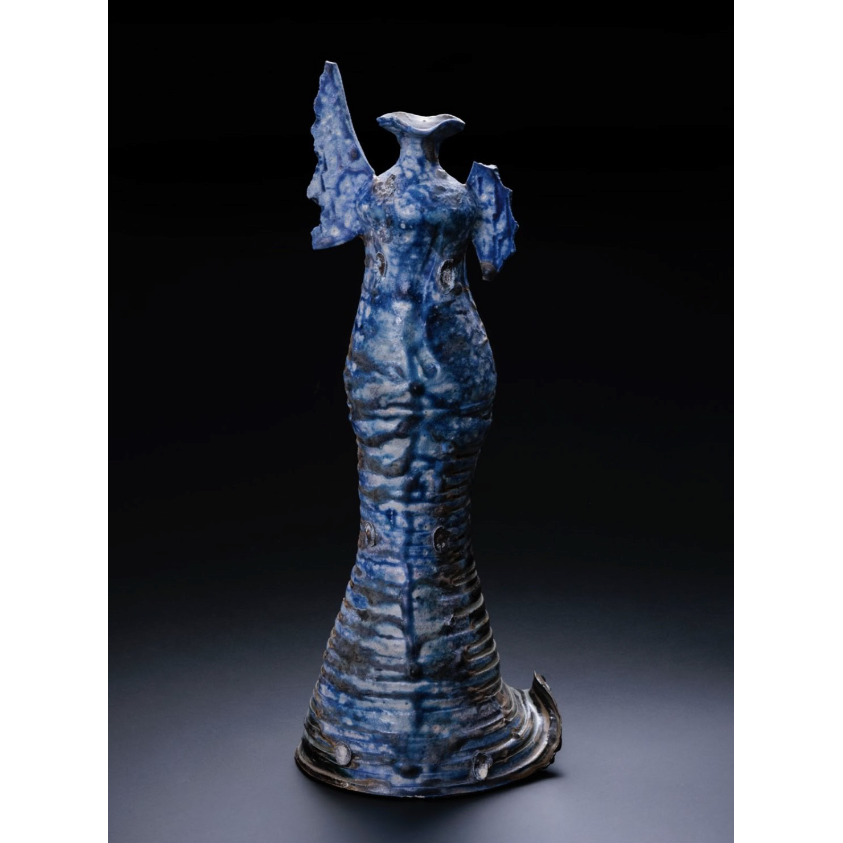
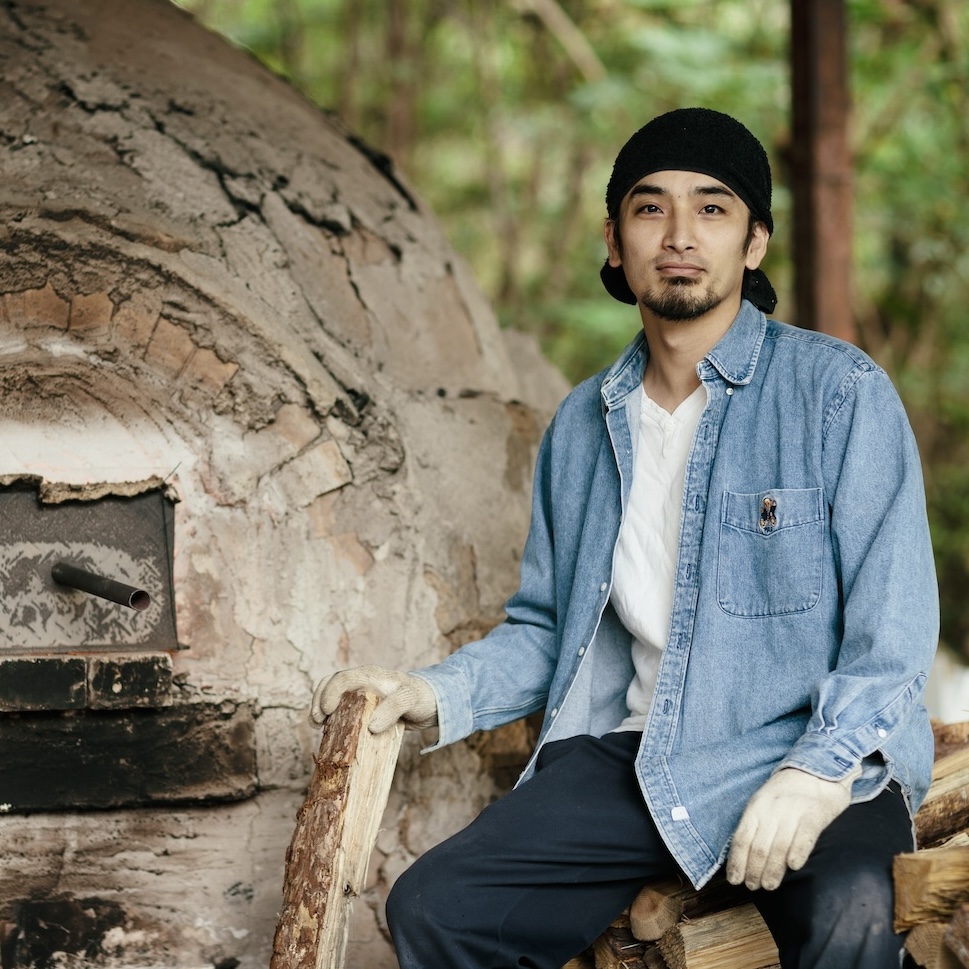
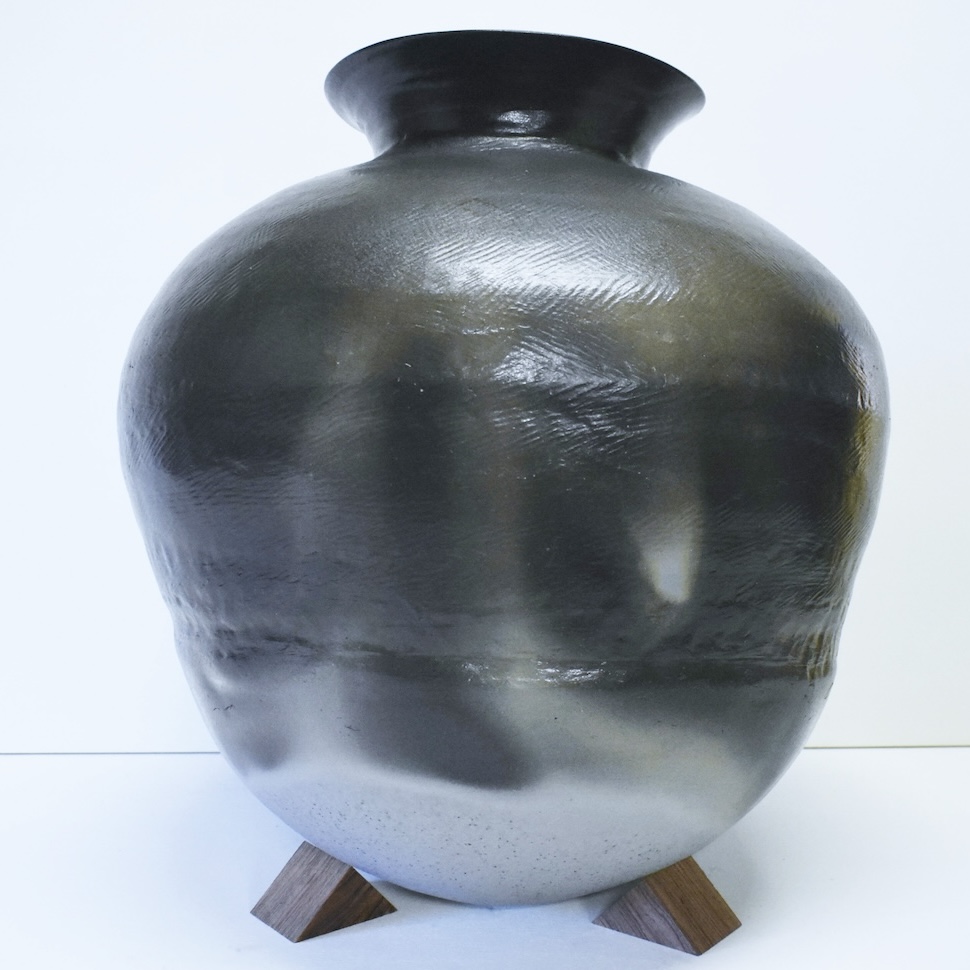
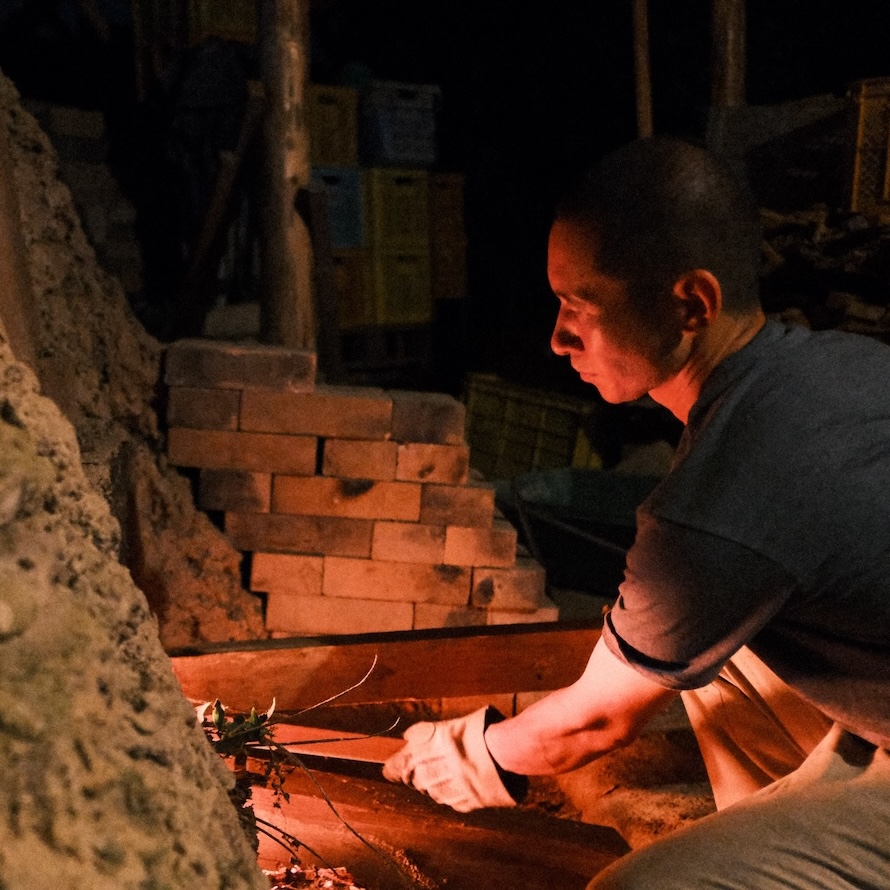
This exhibition will feature works by four artists who are exploring new forms of expression in Bizen ware.
He explores expression from various angles, such as materials, processes, shapes, and techniques, and moves between tradition and modernity, memory and renewal, confronting fundamental materials and practicing every day to create new forms of ceramics.
We also live in an age where everything changes and is consumed at a rapid pace.
Kneading the clay, putting it in the fire, and taking time to create a shape...
This primitive act seems to be an attempt to reexamine the very meaning of creativity.
We hope that this exhibition will provide an opportunity to reexamine the history and possibilities of Bizen ware, while also coming into contact with traces of the practices of artists who are pursuing new forms of Bizen ware in the modern era.
We hope that through the works of these artists, visitors will learn how open Bizen ware is and how new forms of expression continue to emerge.